
Higher education institutions are establishing partnerships with IT companies and jointly launching educational projects for veterans. DOU takes a closer look at two such examples.
Igor Sikorsky Kyiv Polytechnic Institute (KPI)
At Kyiv Polytechnic Institute, there is a Veteran Development Center. This is the place military personnel should contact when applying to the university, says veteran and Assistant Rector for Veteran Policy at KPI, Andrii Havrushkevych. The Center’s responsibilities go beyond admission support: veterans can receive legal consultations, assistance with collecting and submitting documents, and guidance on existing education funding programs. The Center also works with veterans’ families.
Currently, around 180 combat veterans are studying at KPI. They are eligible for state-funded education — in total, veterans account for about 10% of all state-funded places.
“Given that KPI offers IT specialties across five faculties, veterans have a strong chance of enrolling in state-funded programs. If a student who is a combat veteran does not initially secure a state-funded place, KPI resubmits lists to the Ministry of Education and Science in the second semester to allocate state-funded places for veterans,” the institute’s press office says.
KPI offers the following IT-related specialties:
-
Software Engineering
-
Computer Science
-
Cybersecurity and Information Protection
-
Automation, Computer-Integrated Technologies, and Robotics
-
Information Systems and Technologies
In addition to state-funded education, there are other ways to study for free. If a veteran chooses contract-based education, they can either use a state education voucher (a one-time payment of UAH 30,000) or enter into a tripartite agreement under the scheme “Ministry for Veterans — Combat Veteran — University,” which provides UAH 40,000 as compensation toward tuition fees.
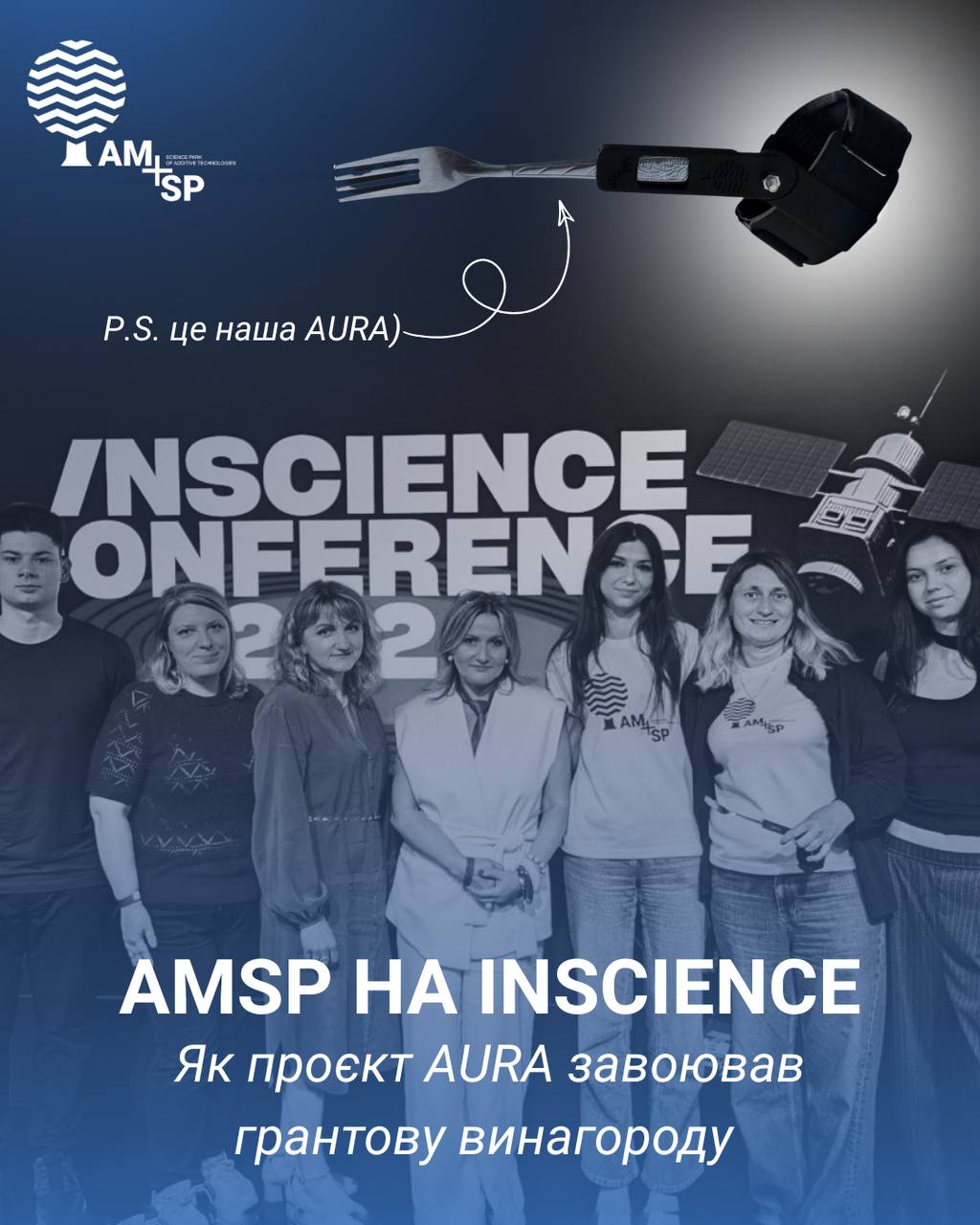
At KPI, veterans can also study prosthetics technologies free of charge through the master’s programs Additive Technologies in Prosthetics (Applied Mechanics) and Medical Engineering in Prosthetics (Biomedical Engineering). The project “The Future of the Prosthetics System in Ukraine” is implemented by the Genesis for Ukraine foundation and funded by the company appflame. The program is delivered at the Sikorsky Challenge Science Park of Additive Technologies, as well as the Educational and Research Laboratory of Prosthetics, Medical Rehabilitation, and Ergotherapy. For veterans, the program launched in autumn 2025.
“KPI provides free dormitory accommodation to all combat veterans for the duration of their studies,” the university’s press office notes.
The focus on prosthetics was chosen due to the acute shortage of specialists in this field: people with amputations in Ukraine often have to wait from three to six months for prosthetic services, says Liudmyla Bychenko, Employer Brand Lead at appflame. By the end of 2025, there were only about 300 prosthetists and several dozen 3D engineers in the country, while the number of manufacturers was around 80. Foreign prosthetic services remain largely inaccessible and expensive.
Before launching the program, 23 veterans completed an introductory course in 3D modeling and printing in bioengineering. Within one month, students gained basic knowledge and decided whether they were ready to commit the next year and a half to in-depth study. Of those who completed the introductory course, 16 veterans applied for the master’s program. The remaining participants were selected through veteran communities. Two veteran groups were formed — 33 people in total — who study separately from other students. According to Liudmyla, “students move at one pace, while veterans move at another, and they may perceive teaching methods and workloads differently.”
In addition, veterans within the group understand and support each other better. During the selection process, candidates took part in short individual interviews to help organizers get to know them and better understand what needs to be taken into account in the learning process.
“Each of the two veteran groups has a dedicated coordinator,” Liudmyla explains. “This is a professional military psychologist who helps them with all issues that arise — related to studies, dormitory living, and general support.”
Students can follow an individual study schedule or combine their studies with work in a related field. appflame covered the cost of tuition and awarded each veteran student a monthly scholarship of $200.
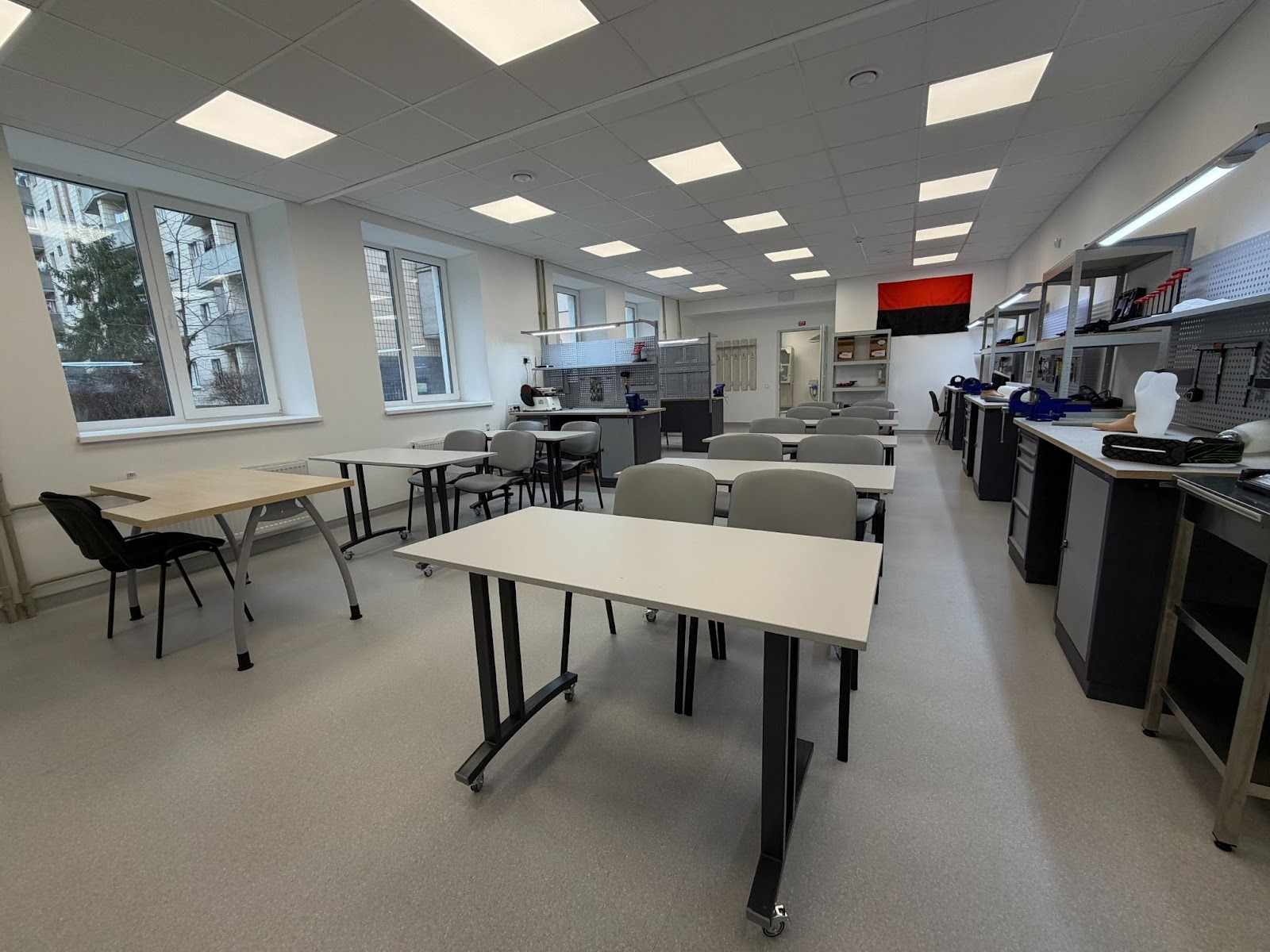
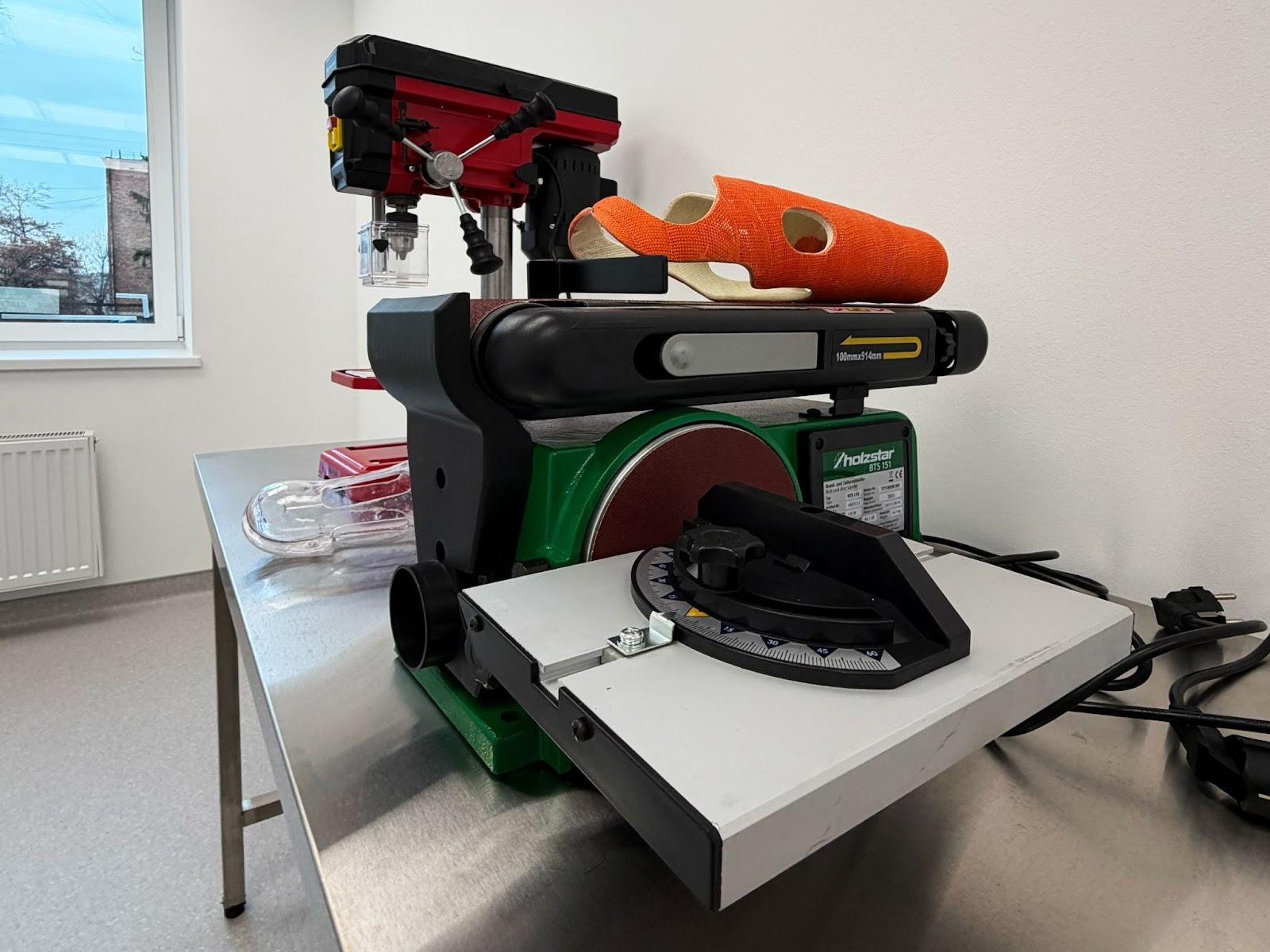
Educational and Research Laboratory of Prosthetics, Medical Rehabilitation, and Ergotherapy, opened by appflame at KPI in December 2025
Based on experience with veterans and personal observations, Liudmyla notes that even with a certificate, it is difficult for students to find employment without internships. That is why the course organizers have already facilitated meetings between students and prosthetics centers and manufacturing companies, including Protez Foundation, Esper Bionics, “Bez Obmezhen” (Without Limits), and Bionic Technologies. Students will begin internships in the summer. Some already know where they will complete their internships, while placements for others will be arranged with manufacturers and prosthetics centers.
In 2026, appflame plans to scale the project and enroll more veterans in the master’s program. The company is also renovating a dormitory to make it more inclusive and comfortable.