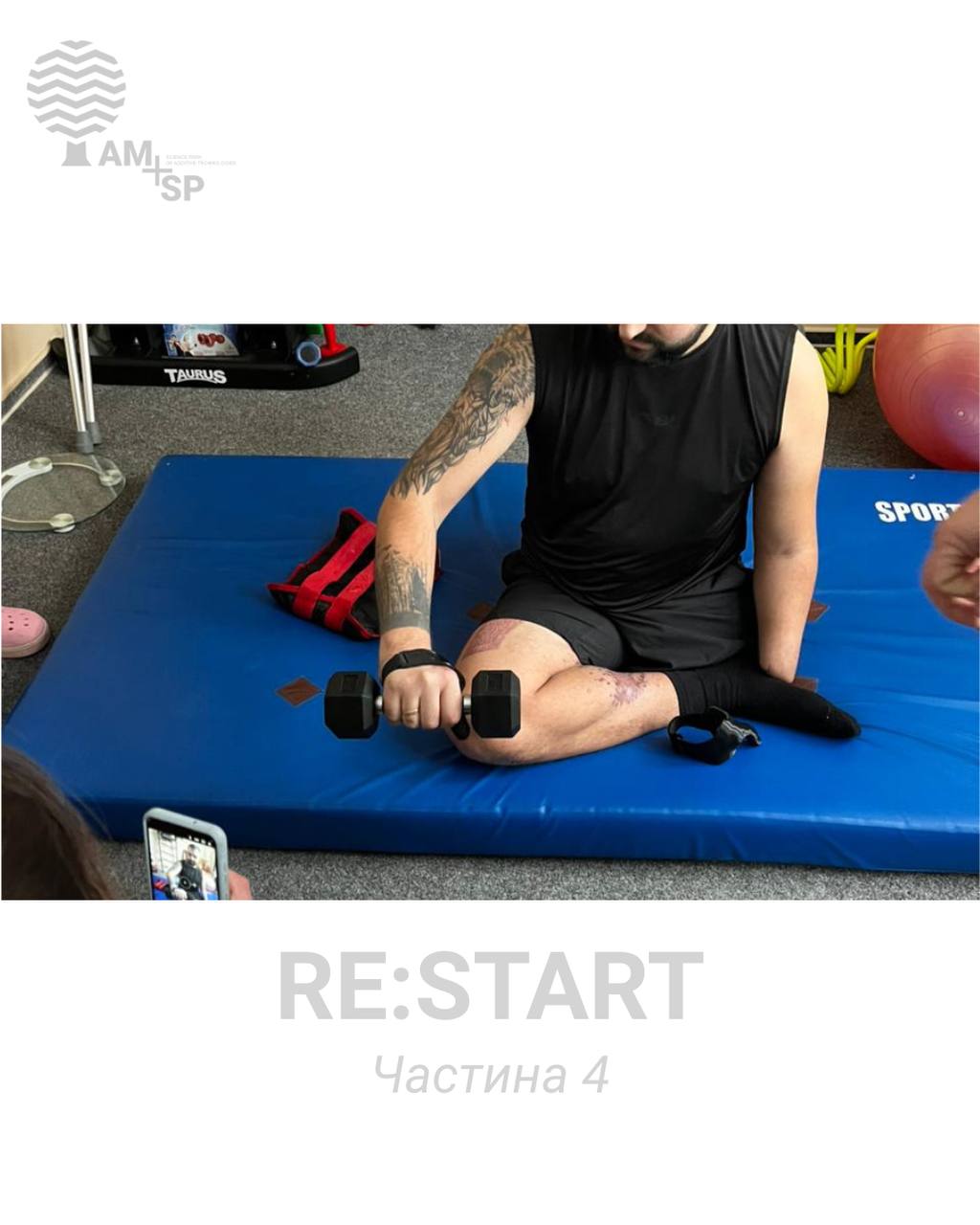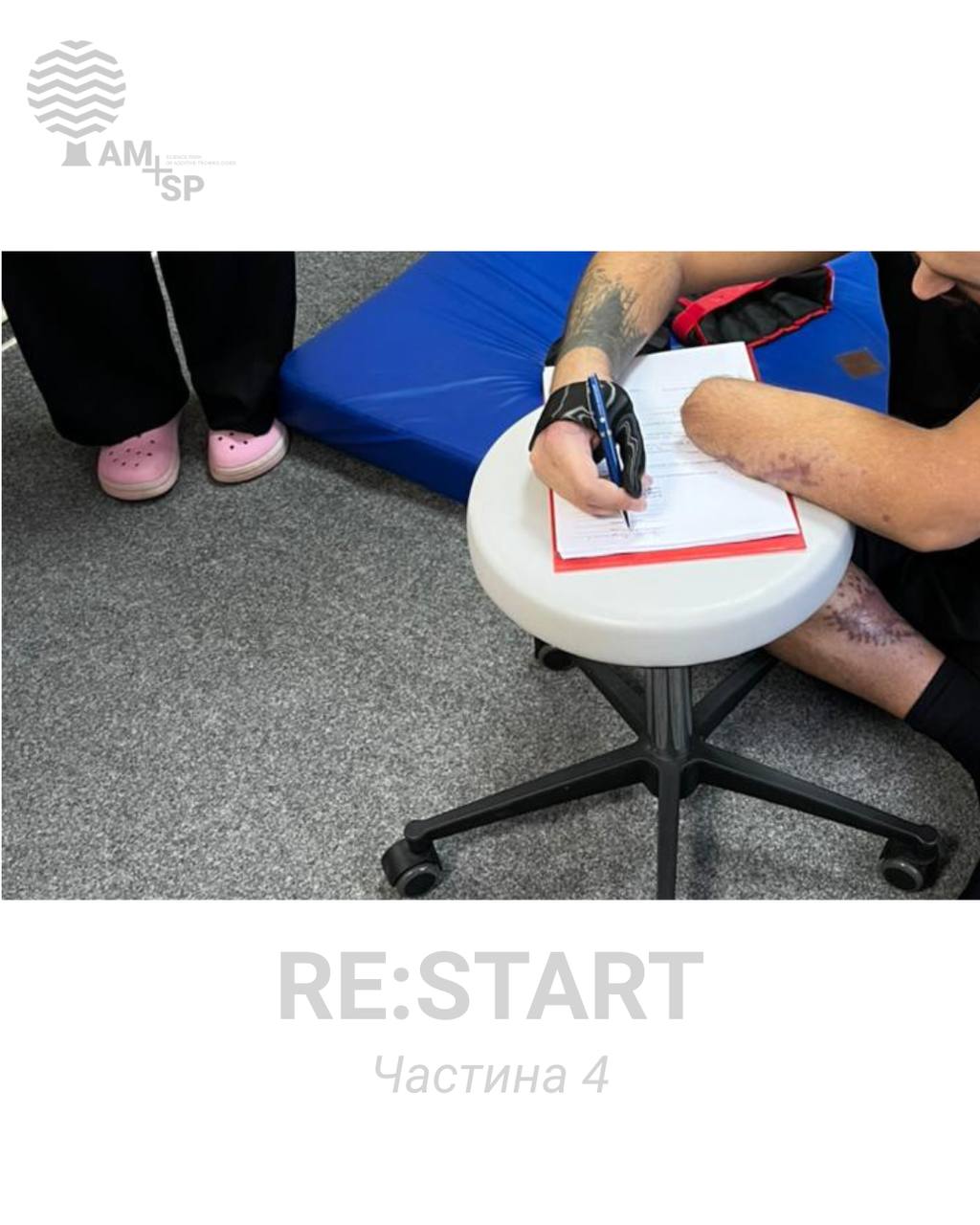

A veteran with an amputation of one upper limb and the thumb of the other hand approached the AMSP Science Park team.
The thumb accounts for a significant portion of grasping function, and its loss may result in the loss of up to 80% of the hand’s grasping ability.
For the patient, this limited many routine activities. His goal is to regain the ability to write independently, hold a dumbbell, perform everyday tasks, and do what once seemed simple.
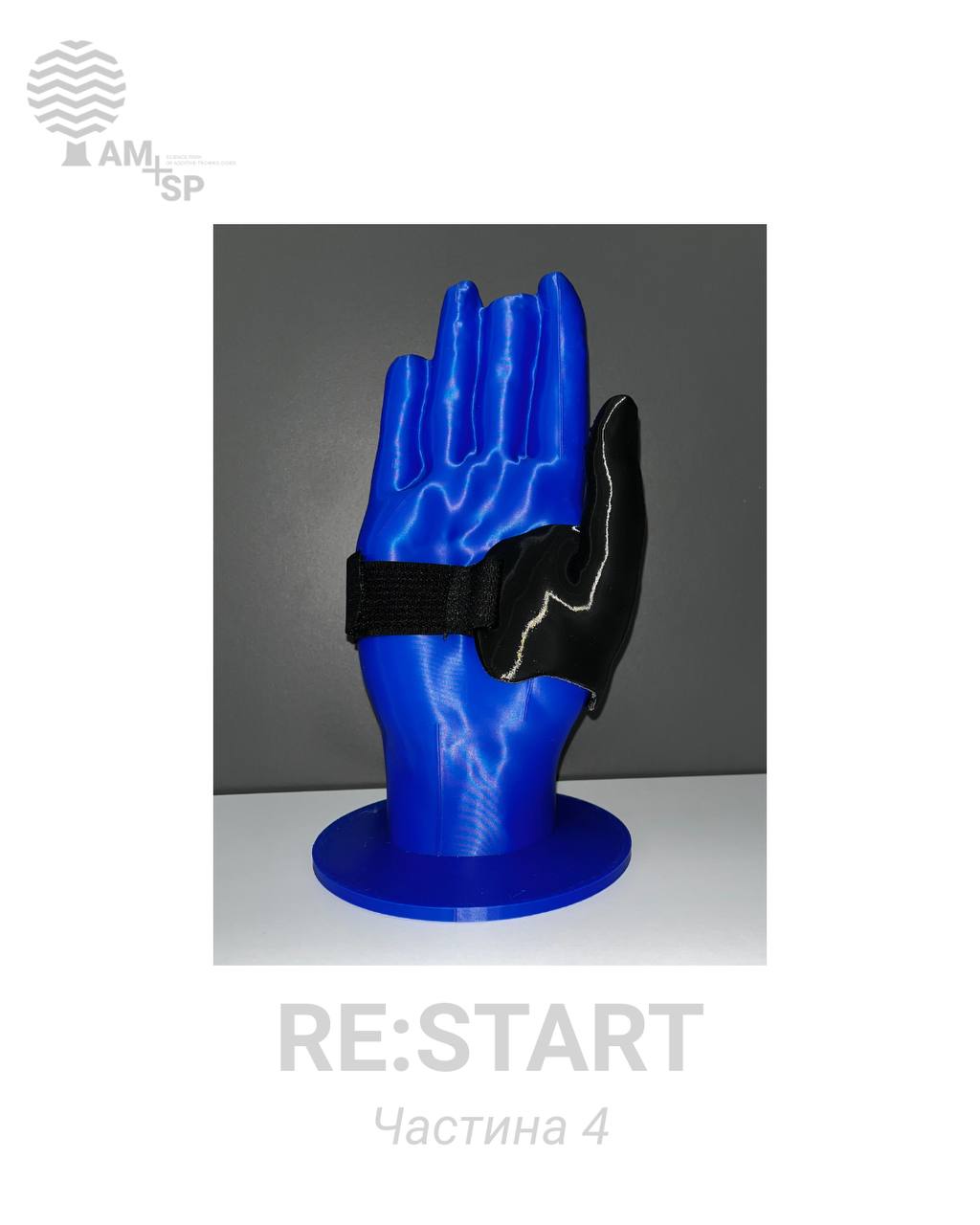
Therefore, our task was not merely to recreate the shape of the thumb, but to develop a custom design adapted to the anatomy of the hand and the residual thumb.
The development process included:
→ analysing the anatomy and topology of the hand
→ custom CAD modelling
→ adapting the design to the shape of the residual thumb
→ optimising the contact areas to ensure a comfortable and secure fit without chafing
→ ensuring the required thumb position and mobility
→ fittings, testing, and further refinement
For us, this project demonstrates how an engineering solution begins with a specific human need.
We are not creating a mass-produced device, but an experimental prototype that undergoes testing, research, and adaptation for a specific user.
Junior Engineer, Biomedical & Additive Solutions — Anastasiia Orel
Research prototypes are developed for non-commercial use only, in collaboration with engineers and with advisory support from medical professionals.